
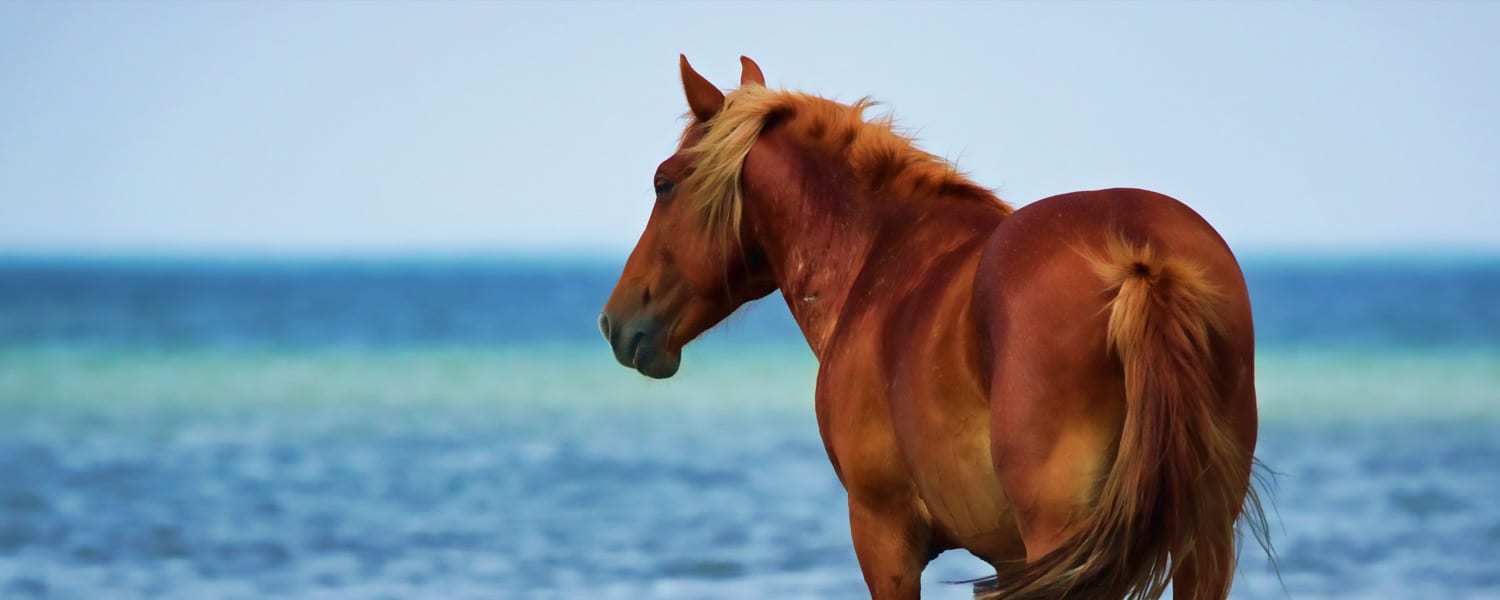
To protect, conserve, and responsibly manage the herd of Corolla wild horses (Bankers) roaming freely on the northernmost Currituck Outer Banks, and to promote the continued preservation of this land as a permanent sanctuary for horses designated as the State Horse and defined as a cultural treasure by the state of North Carolina.
 https://www.corollawildhorses.com/wp-content/uploads/2026/09/5X7-8-scaled.png
1921
2560
Dan Gillogly
https://www.corollawildhorses.com/wp-content/uploads/2026/03/CWHF-logo-no-inc.png
Dan Gillogly2026-09-02 13:59:402026-10-08 13:22:195×7 CWHF #8
https://www.corollawildhorses.com/wp-content/uploads/2026/09/5X7-8-scaled.png
1921
2560
Dan Gillogly
https://www.corollawildhorses.com/wp-content/uploads/2026/03/CWHF-logo-no-inc.png
Dan Gillogly2026-09-02 13:59:402026-10-08 13:22:195×7 CWHF #8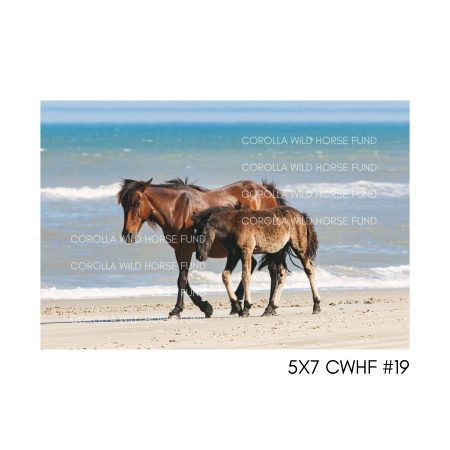 https://www.corollawildhorses.com/wp-content/uploads/2026/07/5X7-19-scaled.jpg
1921
2560
Dan Gillogly
https://www.corollawildhorses.com/wp-content/uploads/2026/03/CWHF-logo-no-inc.png
Dan Gillogly2026-07-30 14:57:022026-09-03 17:13:435×7 CWHF #19
https://www.corollawildhorses.com/wp-content/uploads/2026/07/5X7-19-scaled.jpg
1921
2560
Dan Gillogly
https://www.corollawildhorses.com/wp-content/uploads/2026/03/CWHF-logo-no-inc.png
Dan Gillogly2026-07-30 14:57:022026-09-03 17:13:435×7 CWHF #19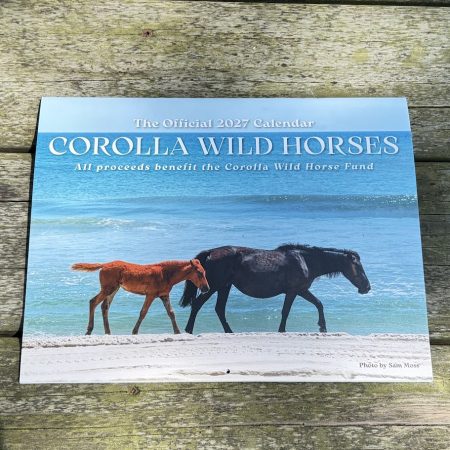 https://www.corollawildhorses.com/wp-content/uploads/2026/07/calendar-cover.jpg
911
1215
Dan Gillogly
https://www.corollawildhorses.com/wp-content/uploads/2026/03/CWHF-logo-no-inc.png
Dan Gillogly2026-07-21 13:09:072026-10-20 07:10:392027 CWHF Calendar
https://www.corollawildhorses.com/wp-content/uploads/2026/07/calendar-cover.jpg
911
1215
Dan Gillogly
https://www.corollawildhorses.com/wp-content/uploads/2026/03/CWHF-logo-no-inc.png
Dan Gillogly2026-07-21 13:09:072026-10-20 07:10:392027 CWHF Calendar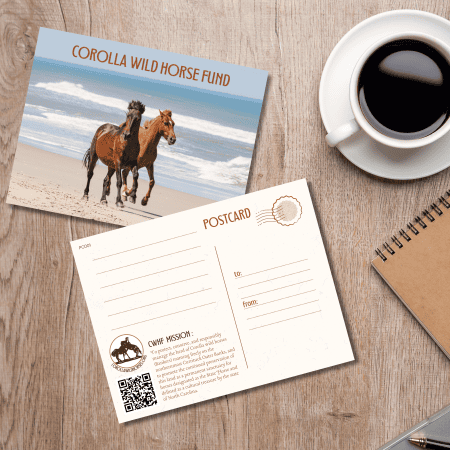 https://www.corollawildhorses.com/wp-content/uploads/2026/07/PC001-flatlay-scaled.png
2275
2560
Dan Gillogly
https://www.corollawildhorses.com/wp-content/uploads/2026/03/CWHF-logo-no-inc.png
Dan Gillogly2026-07-02 12:06:572026-09-11 12:06:01CWHF Post Card 001
https://www.corollawildhorses.com/wp-content/uploads/2026/07/PC001-flatlay-scaled.png
2275
2560
Dan Gillogly
https://www.corollawildhorses.com/wp-content/uploads/2026/03/CWHF-logo-no-inc.png
Dan Gillogly2026-07-02 12:06:572026-09-11 12:06:01CWHF Post Card 001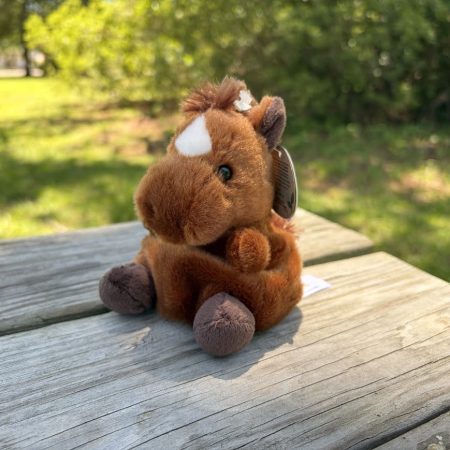 https://www.corollawildhorses.com/wp-content/uploads/2026/05/truffle1.jpg
869
1159
Dan Gillogly
https://www.corollawildhorses.com/wp-content/uploads/2026/03/CWHF-logo-no-inc.png
Dan Gillogly2026-05-28 14:36:242026-10-07 10:35:49Plush 5″ Pals Truffle Brown
https://www.corollawildhorses.com/wp-content/uploads/2026/05/truffle1.jpg
869
1159
Dan Gillogly
https://www.corollawildhorses.com/wp-content/uploads/2026/03/CWHF-logo-no-inc.png
Dan Gillogly2026-05-28 14:36:242026-10-07 10:35:49Plush 5″ Pals Truffle Brown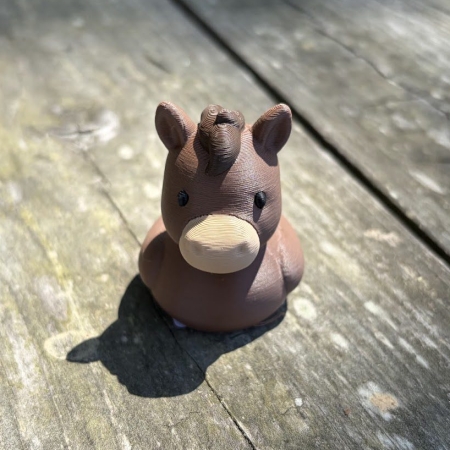 https://www.corollawildhorses.com/wp-content/uploads/2026/05/IMG_4503-e1779295747973.jpg
818
1136
Dan Gillogly
https://www.corollawildhorses.com/wp-content/uploads/2026/03/CWHF-logo-no-inc.png
Dan Gillogly2026-05-19 11:39:352026-10-17 11:49:24Horse Ducks
https://www.corollawildhorses.com/wp-content/uploads/2026/05/IMG_4503-e1779295747973.jpg
818
1136
Dan Gillogly
https://www.corollawildhorses.com/wp-content/uploads/2026/03/CWHF-logo-no-inc.png
Dan Gillogly2026-05-19 11:39:352026-10-17 11:49:24Horse Ducks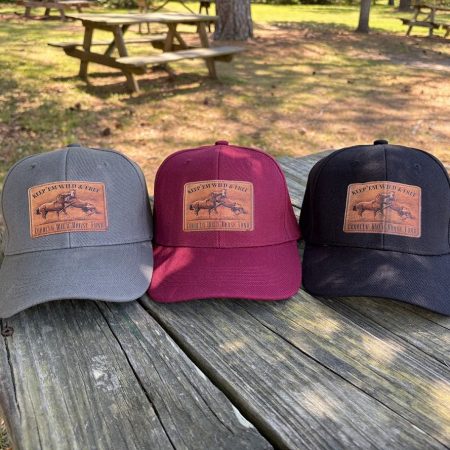 https://www.corollawildhorses.com/wp-content/uploads/2026/05/hats2.jpg
911
1215
Dan Gillogly
https://www.corollawildhorses.com/wp-content/uploads/2026/03/CWHF-logo-no-inc.png
Dan Gillogly2026-05-12 13:04:272026-09-29 14:52:50CWHF Leather Patch Baseball Cap
https://www.corollawildhorses.com/wp-content/uploads/2026/05/hats2.jpg
911
1215
Dan Gillogly
https://www.corollawildhorses.com/wp-content/uploads/2026/03/CWHF-logo-no-inc.png
Dan Gillogly2026-05-12 13:04:272026-09-29 14:52:50CWHF Leather Patch Baseball Cap https://www.corollawildhorses.com/wp-content/uploads/2024/08/CWHF-Keychain-Leather.jpg
608
477
Dan Gillogly
https://www.corollawildhorses.com/wp-content/uploads/2026/03/CWHF-logo-no-inc.png
Dan Gillogly2026-04-10 12:34:552026-09-17 12:05:20CWHF Leather Key Chain
https://www.corollawildhorses.com/wp-content/uploads/2024/08/CWHF-Keychain-Leather.jpg
608
477
Dan Gillogly
https://www.corollawildhorses.com/wp-content/uploads/2026/03/CWHF-logo-no-inc.png
Dan Gillogly2026-04-10 12:34:552026-09-17 12:05:20CWHF Leather Key ChainCWHF Community Cares Partner is how we acknowledge, highlight, and thank local businesses and individuals who embrace the CWHF, our mission and support us diligently. These partnerships are vital to our cause. Together we create shared visions and projects benefiting the horses. We offer goodwill and support to each other while working together to keep our beloved Banker mustangs wild and free.
 https://www.corollawildhorses.com/wp-content/uploads/2026/07/wild-horses-on-the-beach-scaled.jpg
1920
2560
Corolla Wild Horse Fund
https://www.corollawildhorses.com/wp-content/uploads/2026/03/CWHF-logo-no-inc.png
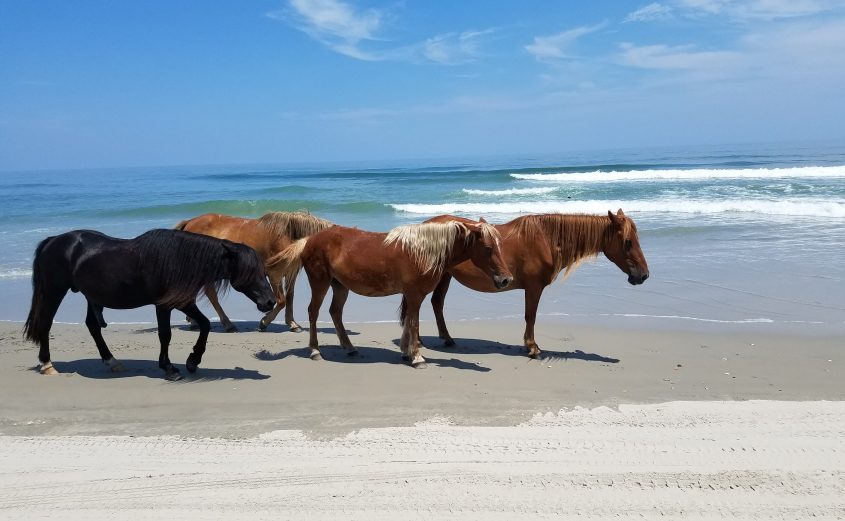
Corolla Wild Horse Fund2026-07-02 14:12:222026-07-04 14:17:58Wild Horses Approaching—Now What?—An Educational Update
https://www.corollawildhorses.com/wp-content/uploads/2026/07/wild-horses-on-the-beach-scaled.jpg
1920
2560
Corolla Wild Horse Fund
https://www.corollawildhorses.com/wp-content/uploads/2026/03/CWHF-logo-no-inc.png
Corolla Wild Horse Fund2026-07-02 14:12:222026-07-04 14:17:58Wild Horses Approaching—Now What?—An Educational Update https://www.corollawildhorses.com/wp-content/uploads/2026/07/Surfer.jpg
1003
828
Corolla Wild Horse Fund
https://www.corollawildhorses.com/wp-content/uploads/2026/03/CWHF-logo-no-inc.png
Corolla Wild Horse Fund2026-06-15 14:02:142026-07-04 14:09:53Rest Easy, Surfer
https://www.corollawildhorses.com/wp-content/uploads/2026/07/Surfer.jpg
1003
828
Corolla Wild Horse Fund
https://www.corollawildhorses.com/wp-content/uploads/2026/03/CWHF-logo-no-inc.png
Corolla Wild Horse Fund2026-06-15 14:02:142026-07-04 14:09:53Rest Easy, Surfer https://www.corollawildhorses.com/wp-content/uploads/2026/04/Mix-Up.png
1327
1292
Corolla Wild Horse Fund
https://www.corollawildhorses.com/wp-content/uploads/2026/03/CWHF-logo-no-inc.png
Corolla Wild Horse Fund2026-04-26 08:30:572026-04-26 08:30:57As tourism season approaches, work intensifies to preserve and protect the state’s wild horses
https://www.corollawildhorses.com/wp-content/uploads/2026/04/Mix-Up.png
1327
1292
Corolla Wild Horse Fund
https://www.corollawildhorses.com/wp-content/uploads/2026/03/CWHF-logo-no-inc.png
Corolla Wild Horse Fund2026-04-26 08:30:572026-04-26 08:30:57As tourism season approaches, work intensifies to preserve and protect the state’s wild horses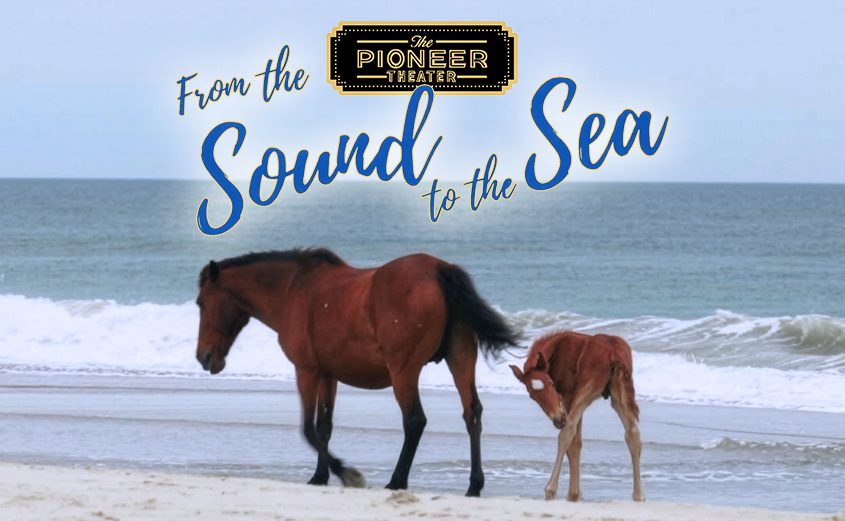 https://www.corollawildhorses.com/wp-content/uploads/2026/04/CWHF-Events-Sound-to-Sea-Documentary.jpg
521
845
Corolla Wild Horse Fund
https://www.corollawildhorses.com/wp-content/uploads/2026/03/CWHF-logo-no-inc.png
Corolla Wild Horse Fund2026-04-26 08:06:382026-04-26 08:06:38Wild horses of the Outer Banks are getting their close-up this spring
https://www.corollawildhorses.com/wp-content/uploads/2026/04/CWHF-Events-Sound-to-Sea-Documentary.jpg
521
845
Corolla Wild Horse Fund
https://www.corollawildhorses.com/wp-content/uploads/2026/03/CWHF-logo-no-inc.png
Corolla Wild Horse Fund2026-04-26 08:06:382026-04-26 08:06:38Wild horses of the Outer Banks are getting their close-up this spring https://www.corollawildhorses.com/wp-content/uploads/2025/11/Topnotch.jpg
1536
2048
Corolla Wild Horse Fund
https://www.corollawildhorses.com/wp-content/uploads/2026/03/CWHF-logo-no-inc.png
Corolla Wild Horse Fund2025-11-25 15:22:442025-11-30 15:27:52Topnotch Removed from the Wild
https://www.corollawildhorses.com/wp-content/uploads/2025/11/Topnotch.jpg
1536
2048
Corolla Wild Horse Fund
https://www.corollawildhorses.com/wp-content/uploads/2026/03/CWHF-logo-no-inc.png
Corolla Wild Horse Fund2025-11-25 15:22:442025-11-30 15:27:52Topnotch Removed from the Wild https://www.corollawildhorses.com/wp-content/uploads/2025/05/Mare-Ladder-edit.jpg
1680
1529
Corolla Wild Horse Fund
https://www.corollawildhorses.com/wp-content/uploads/2026/03/CWHF-logo-no-inc.png
Corolla Wild Horse Fund2025-05-23 12:40:202025-05-26 12:46:23All’s Well and Ends Well
https://www.corollawildhorses.com/wp-content/uploads/2025/05/Mare-Ladder-edit.jpg
1680
1529
Corolla Wild Horse Fund
https://www.corollawildhorses.com/wp-content/uploads/2026/03/CWHF-logo-no-inc.png
Corolla Wild Horse Fund2025-05-23 12:40:202025-05-26 12:46:23All’s Well and Ends Well https://www.corollawildhorses.com/wp-content/uploads/2025/04/folly.jpg
1536
2048
Corolla Wild Horse Fund
https://www.corollawildhorses.com/wp-content/uploads/2026/03/CWHF-logo-no-inc.png
Corolla Wild Horse Fund2025-04-11 10:45:242025-04-24 10:47:50Introducing Folly
https://www.corollawildhorses.com/wp-content/uploads/2025/04/folly.jpg
1536
2048
Corolla Wild Horse Fund
https://www.corollawildhorses.com/wp-content/uploads/2026/03/CWHF-logo-no-inc.png
Corolla Wild Horse Fund2025-04-11 10:45:242025-04-24 10:47:50Introducing Folly https://www.corollawildhorses.com/wp-content/uploads/2025/04/Riptide-in-Raleigh.jpg
1536
2048
Corolla Wild Horse Fund
https://www.corollawildhorses.com/wp-content/uploads/2026/03/CWHF-logo-no-inc.png
Corolla Wild Horse Fund2025-04-09 10:48:302025-04-24 12:33:19Riptide Goes to Raleigh!
https://www.corollawildhorses.com/wp-content/uploads/2025/04/Riptide-in-Raleigh.jpg
1536
2048
Corolla Wild Horse Fund
https://www.corollawildhorses.com/wp-content/uploads/2026/03/CWHF-logo-no-inc.png
Corolla Wild Horse Fund2025-04-09 10:48:302025-04-24 12:33:19Riptide Goes to Raleigh! https://www.corollawildhorses.com/wp-content/uploads/2025/03/Finola.jpg
2048
1536
Corolla Wild Horse Fund
https://www.corollawildhorses.com/wp-content/uploads/2026/03/CWHF-logo-no-inc.png
Corolla Wild Horse Fund2025-03-21 14:39:392025-03-26 14:44:56Announcing the first foal of 2025
https://www.corollawildhorses.com/wp-content/uploads/2025/03/Finola.jpg
2048
1536
Corolla Wild Horse Fund
https://www.corollawildhorses.com/wp-content/uploads/2026/03/CWHF-logo-no-inc.png
Corolla Wild Horse Fund2025-03-21 14:39:392025-03-26 14:44:56Announcing the first foal of 2025Beatrice continues to do well at the farm, and here are some photos of her band still in the wild, taken just about an hour or so ago. Lots have people have understandably been asking about them! As you can see they are in good shape and not displaying any signs of distress. Life goes on! 🩷

20 CommentsComment on Facebook
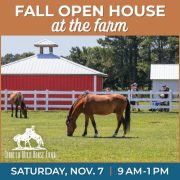
We've had lots of folks asking if they can come visit the farm. Here's more information about our Fall Open House, taking place on November 7. We will also host a Spring Open House, and then our weekly events begin the week of Memorial Day and run through Labor Day.
This content isn't available right now
When this happens, it's usually because the owner only shared it with a small group of people, changed who can see it or it's been deleted.1 CommentsComment on Facebook
Sharing an update on Beatrice (if you missed yesterday’s post, read it here: www.facebook.com/share/p/197K5YPtHS/).
Beatrice’s condition has remained stable (and maybe even improved a bit!) since yesterday. She’s been moving around her paddock and has been able to get herself up and down. Her body condition is already starting to look a bit better now that she’s more comfortable, less stressed, and hydrated. She’s been eating lots of grass, and also has free-choice access to several different types of hay. We’d like to get her eating pelleted feed but she’s still not too sure about that. In the meantime, we’ve been supplementing her diet with vitamins and minerals like iron, selenium, b12, and vitamin E. She’s also on a daily medication to help prevent ulcers and upset stomach, along with a steroid. She’s not had a dose of the anti-inflammatory since Wednesday evening and we’ve haven’t seen a decline in her mobility or comfort, which is wonderful!
It’s a pretty miserable day here in northeastern NC - rainy, windy, and chilly, but she’s been standing in her run-in shed and keeping dry. If we notice that she seems cold we can put a waterproof blanket on her, but she’s comfortable for now. She can see the other horses around the farm and is not acting depressed or distressed.
The sores you can see on her shoulder and haunches are pressure sores from when she was down over the last week. They’re the least of her concerns right now, but we’ll get some ointment on them as soon as she’s a little more comfortable being touched. She’s starting to enjoy head scratches!
If you’d like to donate towards Beatrice’s ongoing care, visit our website: www.corollawildhorses.com/one-time-donations/
Also wanted to briefly address a question that’s been coming up - will she go back to the wild if we’re able to successfully treat her? The answer to that is no, once a horse is removed it cannot be returned. This is why removal is always the last resort, and not something that we ever take lightly. Working on a different post that goes into more details about this, so stay tuned!
Thanks so much for the support and for everyone’s kind and encouraging words for Beatrice! We will continue to keep everyone updated.
110 CommentsComment on Facebook
Our museum and gift shop in Corolla will be closed today due to inclement weather. We’ve got wind and rain moving in due to a developing nor’easter and we want to keep our staff off the roads. Sorry for any inconvenience, but safety first!
You can always shop online: www.corollawildhorses.com/cwhf-gift-shop/
The wild horses are just fine - this kind of weather doesn’t bother them at all. They’re enjoying the cooler temps! Butts to the wind. ☔️
Beatrice also did fine at the farm overnight. She’s relaxing in her run-in shed right now. Will post a more detailed update and photo soon. Need another cup of coffee first. 😉
7 CommentsComment on Facebook
On Monday, October 12 we received a call about a horse that was down and struggling to stand. Upon arrival, our staff found 5-year-old mare Beatrice who was indeed down and despite trying, was unable to get up. We didn’t find any obvious signs of illness or injury; she was bright and alert but seemed to have no strength in her hind end.
We called our veterinarian who advised us to administer an anti-inflammatory/painkiller while he started making his way to Carova. Once on the scene, he examined Beatrice (there were no broken bones, she didn’t have a fever, she’s in good body condition, bodily functions were all normal) and we made several failed attempts at getting her up. Right as we were about to call it she made one last effort to stand, and with our help was able to stand all the way up. She was weight bearing on all four legs, and while a bit weak and wobbly, was able to walk. She immediately started grazing and the longer she stood the more stable she became. Because of this, we decided to leave her with her harem for the night and see how she did.
We found the group again first thing Tuesday morning about a mile from where we’d left them the day before, and Beatrice was still standing and walking around. We checked on her several times throughout the day on Tuesday and she remained upright and mobile. However, around 5pm we received a call that she’d gone down again and was struggling to stand. We responded and administered more medication in the hopes that she’d be able to stand on her own during the night.
Unfortunately, Wednesday morning she was still down in the same place so at that point we made the decision to remove her. We got her onto a gurney and onto our trailer, and took her to our farm on the mainland to meet the veterinarian. Not long after we got back to the farm Beatrice sat up, got her legs underneath herself, and managed to stand up on her own. Because we still weren’t sure exactly what was going on with her, we got her comfortable on the trailer for the night (gave her a deep bed of shavings, a fan, hay, and water), medicated her again, and gave her some vitamin/mineral supplements to support her as well.
Since Wednesday afternoon she has been eating, drinking, whinnying at the other horses, and overall has been in good shape. Her hind end is still very weak but so far she’s been able to lie down and stand back up on her own without too much of a struggle. Our veterinarian ran bloodwork and it came back relatively normal except for some inflammation markers that were quite high. This could mean many different things - infection, tissue damage, something chronic…the list is long. We are hoping that further testing will help narrow down the possibilities, but it will be a few days before those results come back from the lab.
Until we have more answers Beatrice will remain in strict quarantine, but today we took her off the trailer and moved her into a larger paddock with some grass. She is very happy about that! We’ve seen her lie down and stand back up once today, which is also a good sign.
Removing a horse from the wild is always a very difficult decision to make, and it’s especially hard with horses like Beatrice. She’s young and produced her first foal last year - a lovely filly. She was very deeply bonded with her own mother, and has been in the same harem with her and another older mare since she was born. So not only are we losing an exceptionally valuable broodmare from the herd, but we’re separating horses who have strong emotional bonds with each other.
Beatrice’s dam, her daughter, and the other mare never left her side for the three days we were monitoring her in the wild. Her mom stood over her while she was down and they all stuck very close once we got her up on Monday. But when a horse can’t naturally keep up with its harem or move freely to eat and drink, that is when we begin to consider removal. In Beatrice’s case we gave her as much of an opportunity as we could to stay wild but ultimately, intervention was the right course of action not only for her own welfare but for the safety of the rest of the herd too.
Her mom, daughter, the other mare, and the stallion are all doing fine in her absence. We’ve been keeping a close eye on them.
Beatrice is not out of the woods by any stretch, but she continues to amaze us with her strength, resiliency, and her will to survive. As long as she is comfortable we will continue to seek out answers and do our best to treat whatever is going on with her. She’s very sweet and level-headed, and is adapting well to being on the farm.
We’d like to thank the tour drivers who called us about Beatrice both times she went down. We’d also like to thank Joan and Doug for providing us with a safe and quiet place on their property Wednesday morning, and we’d like to give a HUGE shout out to Trey, Wesley, and Tom with EZE for helping us load her onto the trailer. And of course, as always, thank you to our staff for handling this incredibly difficult situation with professionalism and compassion.
As soon as we have more information from the tests, or if there’s a change in Beatrice’s behavior, we will post an update. But for now, please keep your fingers crossed and send her good thoughts.
If you’d like to make a donation towards Beatrice’s treatment and care, you can do so on our website: www.corollawildhorses.com/one-time-donations/
231 CommentsComment on Facebook
This week 17 youth competitors and 6 coaches will be representing North Carolina at the Eastern National 4-H Horse Roundup, and we’d like to wish them the best of luck! This is one of the most prestigious national-level equine events for youth in the United States. Teams compete in a variety of non-riding contests that test expertise, analytical thinking, and public speaking.
This year is extra special for us because two young ladies from Wake County have put together a fantastic presentation on the Banker horses and their place in North Carolina history. Rachel and Morgan, we are so proud of you! Congratulations and good luck! 🍀🐎
6 CommentsComment on Facebook
Two young Banker ponies taking a stroll on the beach earlier today.
It’s going to be another rainy weekend here on the Outer Banks, but we know it could be much worse. Our thoughts are with everyone in the direct path of Hurricane Isaias. 🙏
27 CommentsComment on Facebook
It is officially fall - the persimmons are ripe! Persimmon trees are native to our area and in the fall their sour fruit ripens and turns sweet. The wild horses can often be found picking them right off the tree branches. It’s the wild horse version of pumpkin spice season! 😉
26 CommentsComment on Facebook
On the morning of July 4th, 2026 something truly extraordinary happened on the Currituck Outer Banks. A wild Banker filly was born on the dawn of America’s 250th birthday - a symbol of strength and independence, resilience, community and family, and our shared, collective history.
It’s an incredibly rare thing to witness, let alone capture on film. Thank you to the vacationing family who immediately called us when they realized the mare was about to give birth and who helped our staff keep an eye on the family throughout the day. It was something none of us will soon forget!
“In short, all good things are wild and free.” -Henry David Thoreau
ETA: We no longer share names because horses were becoming habituated by people calling them by their names. Horses were approaching vehicles when called, among other things.
224 CommentsComment on Facebook
This filly is really stunning. 🤩 Those distinctive eyes and flashy markings help her stand out from the crowd, that’s for sure! She was born in May 2025, and is her dam’s first foal.
First photo: Yearling filly, taken today
Second photo: Her dam, a 2021 mare, taken today
Third photo: Filly at a day or two old, May 2025
24 CommentsComment on Facebook
We are so excited to share that Middleton Clay Project's 2026 holiday ornament features hair from our dearest Topnotch! A wonderful way to honor and remember an incredible horse. ❤️ You can grab one now during the early release sale (click on the link below 👇) or keep an eye out for them coming soon to our store in Corolla, our online shop, and our Fall Open House at the Farm on November 7.
This content isn't available right now
When this happens, it's usually because the owner only shared it with a small group of people, changed who can see it or it's been deleted.3 CommentsComment on Facebook
The CWHF rescue farm is home to more than 20 very special horses. Each of them was born in the wild but had to be removed for various reasons, ranging from life-threatening injuries and medical conditions, to severe habituation and behavioral issues that put them and humans in danger. Removing a horse from the wild is a last resort option and one that we do not take lightly, but sometimes it is what’s best for the horse’s wellbeing.
Our farm is a sanctuary for these horses; a place where they can live out the rest of their days with the care and support they need to stay healthy, enriched, and safe.
Caring for this many horses, all at different levels of training, different life stages, and with different past traumas and medical issues can be quite a challenge! Each horse is unique and what works best for one might not work for another. We have to be flexible, good at compromise, and patient. But the one thing that rarely changes is the fact that our horses go through a lot of hay.
In fact, hay is our biggest regular expense at the farm.
Horses are meant to graze most of the day and night (15-17 hours at the least); otherwise, stomach acid can build up and cause ulcers, and other behavioral issues can arise. And in the winter, a full belly is what keeps horses warm. At the farm, we keep hay in front of the rescued horses 24/7, giving them the chance to forage as naturally as possible.
For the horses who don’t have special dietary needs, we feed hay that is low in calories, sugar, and other carbohydrates that we’ve found most closely resembles the type of forage they have available to them in the wild. We put these 700lb bales of hay in slow-feeder nets to make them work a little bit harder for it, mimic grazing behavior, and keep the hay clean and off the ground. During the winter, each pasture of horses goes through 1-2 bales of hay every week.
Now that summer is winding down and the amount of hay we are feeding is going up, we are asking for your help to make sure our hay barn stays full all winter. Hay costs have increased significantly over the last several years, and this winter horse owners up and down the East Coast will be facing shortages due to the drought. We need to be extra vigilant about stocking up and purchasing high quality hay when it becomes available.
Your support makes a world of difference in the rescued horses’ lives - please consider making a donation today, and know that it will go towards keeping them healthy, warm, and happy all winter long. A gift of $108 feeds one horse for a month, and a gift of $2,500 feeds all of the horses at the farm for a month. Every donation makes a difference, and we are so grateful for your generosity!
To donate, visit: www.corollawildhorses.com/one-time-donations/
And don't forget, our fall open house at the farm is taking place on November 7 from 9am-1pm!
1 CommentsComment on Facebook
We often talk about how the Bankers are a landrace breed, and how important that distinction is when it comes to advocating for their protection and preservation. It means that they have developed very specific and unique physical and behavioral adaptations based on their environment that set them apart from any other breed of horse in the world. They are intrinsically linked to this place and would not be what they are without the sand and salt, the nor’easters, the sea oats, and the live oaks.
Some of the characteristics of a landrace breed include unique dietary needs, a heightened immunity to vector-borne diseases endemic to an area, genetic integrity, and a distinctive phenotype. The Banker horses have spent centuries developing physical traits that allow them to survive on a pretty inhospitable spit of sand - their habitat is very much a part of their DNA.
But there is another aspect of landrace breeds that is critically important when defining what makes a Banker a Banker, and that is their tie to the history, culture, and people of the region in which they live. Over the centuries, humans have played just as much a role in the development of the Banker horse as their physical environment has, simply by being here and sharing space with them.
That shared history is also a part of their DNA, and a shared future will be as well.
This fall, we are excited to unveil our first ever Habitat Preservation Membership - an opportunity to make a real, positive impact on the long-term survival of this endangered herd. We know how important the habitat is to so many of you; now, you can come alongside us as a steward conserving the Corolla Bankers’ home on the beach. This is an opportunity to join this membership level as a founding member – in advance of a much-wider roll out coming in 2027.
To thank you for becoming a founding member, we have a very special package of gifts that will only be available this fall. Each founding member will receive a very special, limited edition, CWHF-logo bottle of bourbon – created in partnership with Weldon Mills Distillery. Each bottle is hand-numbered; only 45 of them exist. These are true collector’s items. In addition to the bottle, each founding member will also receive two CWHF branded glasses, Protect and Preserve t-shirt and sticker, membership poster and decal, and a personalized certificate acknowledging your stewardship.
Join today: www.corollawildhorses.com/habitat-preservation-initiative/habitat-preservation-fund/
2 CommentsComment on Facebook
It has been a “Butts to the Wind” kind of week, that’s for sure! 🌀
Find shirts, can coolers, and more on our website: www.corollawildhorses.com/shop/product-category/bttw-items/
All proceeds benefit CWFH and the horses!
5 CommentsComment on Facebook
RIP to our beach gate. 🙏🕊️ A new one is on the way to Corolla this afternoon and the plan is to get it hung tomorrow during low tide. In the meantime, if any horses decide to wade through this mess just to get to the other side of the fence…more power to ‘em! 😜
We’ve had quite a blow the last few days and it’s caused beach erosion here and overwash to our south. The horses are just fine, though. The weather itself really hasn’t been all that bad; just wind and high tides, neither of which impact the horses much at all.
Now is NOT a good time to visit the 4x4 beach, though, and that will be true through the weekend. The tide is extremely high and there’s lots of debris on the beach.
Please be safe out there! #buttstothewind
71 CommentsComment on Facebook
With our first nor’easter of the Fall season in full swing, it seems that we can officially say farewell to what was an exceedingly hot summer on the Outer Banks. The weather reminds us that with the changing seasons come the ever-evolving challenges faced by both the wild Bankers out on the beach and those that are living at the farm.
This week, we are offering you two distinct opportunities to support the herd – yesterday we talked about filling our hay barn at the farm, and today we’re focusing on the beach.
Habitat preservation is an essential part of our mission. Over the course of the next few years, we are going to bring the story of the horses’ habitat and our efforts to conserve it more and more into focus. As an introduction, we are so excited to unveil our first ever Habitat Preservation Membership. We know how important the habitat is to so many of you; now, you can come alongside us as a steward conserving the wild herd’s home on the beach. This is an opportunity to join this membership level as a founding member – in advance of a much-wider roll out coming in 2027.
To thank you for becoming a founding member, we have a very special package of gifts that will only be available this fall. Each founding member will receive a very special, limited edition, CWHF-logo bottle of bourbon – created in partnership with Weldon Mills Distillery. Each bottle is hand-numbered; only 45 of them exist. These are true collector’s items. In addition to the bottle, each founding member will also receive two CWHF branded glasses, Protect and Preserve t-shirt and sticker, membership poster and decal, and a personalized certificate acknowledging your stewardship.
We are so pleased (and honored!) to announce that our very first Habitat Preservation Member is our very own Kimberlee Hoey. Kimberlee has spent decades supporting CWHF and the Corolla Bankers, both as our long-time board chair and as a resident of the 4x4 beach. Thank you so much, Kimberlee!
To learn more about this special membership opportunity, please visit our website:
www.corollawildhorses.com/habitat-preservation-initiative/habitat-preservation-fund/
0 CommentsComment on Facebook
With what looks like our first Nor’easter of the fall coming in, it seems that we can officially say farewell to what was an exceedingly hot summer on the Outer Banks.
The arrival of fall traditionally means it is time for us to keep one eye on the coming winter and the importance of ensuring we have the necessary hay to feed more than 20 horses on our farm. This year is no different. As with so many things these days, the cost and availability of hay is an ever-increasing challenge. For several years now, you all have ensured that the horses have hay through the winter.
A gift of $108 feeds a horse for a month, and a gift of $2,500 feeds all of the horses at the farm for a month. Every donation makes a difference, and we are so grateful for your support each fall!
To donate, visit:
www.corollawildhorses.com/one-time-donations/
7 CommentsComment on Facebook
Come to the Moyock Library this Thursday, September 24 at 3pm for a presentation followed by a Q&A about the Corolla Bankers and the work CWHF does to protect and preserve the herd and their habitat. This program is geared towards adults but otherwise is free and open to the public!
🌀Please note that due to the weather forecast we will NOT have a rescued horse on-site.
This content isn't available right now
When this happens, it's usually because the owner only shared it with a small group of people, changed who can see it or it's been deleted.0 CommentsComment on Facebook